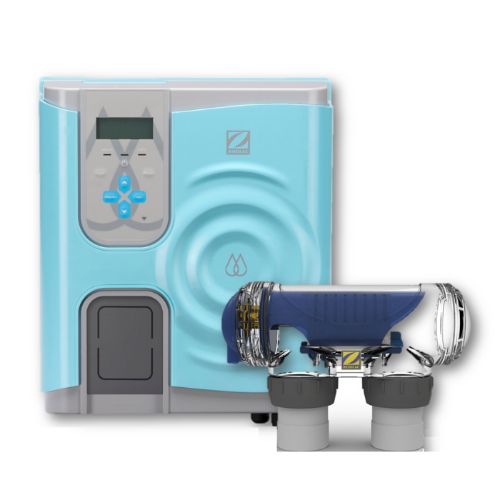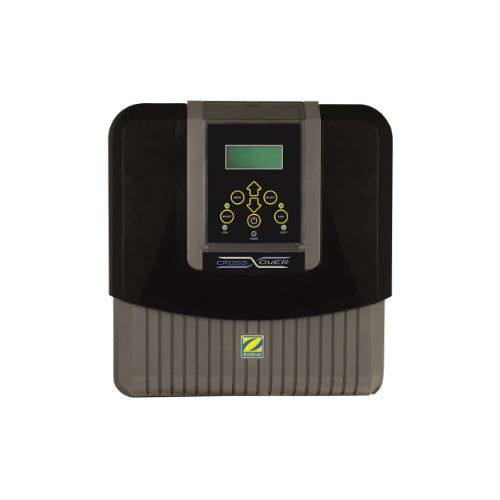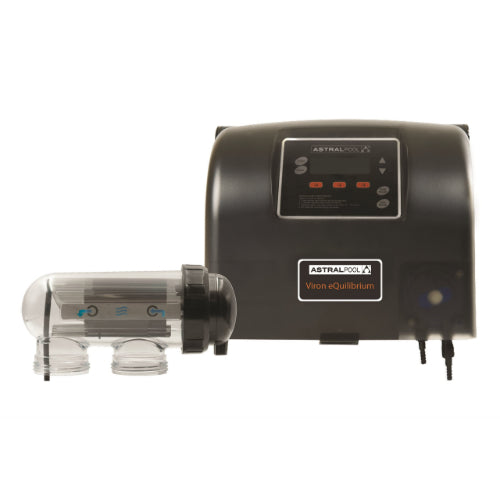
POOL CHLORINATORS
Keep your pool water clean, clear and sanitised with a high-quality pool chlorinator from My Online Pool Shop. A pool chlorinator is one of the most important pieces of pool equipment, automatically producing chlorine to help protect your pool from bacteria, algae and contaminants while reducing the need for manual chemical dosing.
We stock a wide range of saltwater chlorinators and replacement chlorinator cells from Australia's leading pool equipment brands. Whether you're replacing an existing chlorinator, upgrading to a larger system or building a new pool, we have solutions suitable for fibreglass, concrete and vinyl-lined pools of all sizes.
With expert advice and Australia-wide shipping, My Online Pool Shop makes it easy to find the right chlorinator for your swimming pool.

-
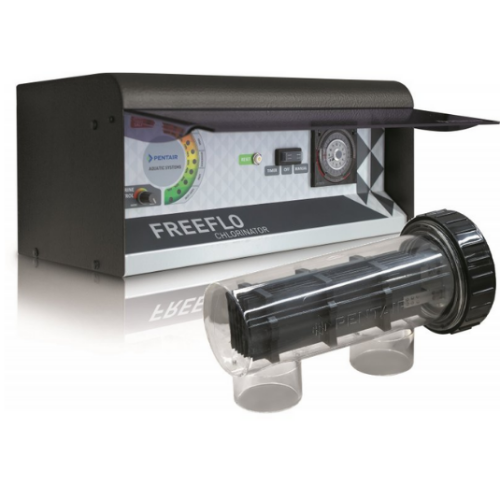
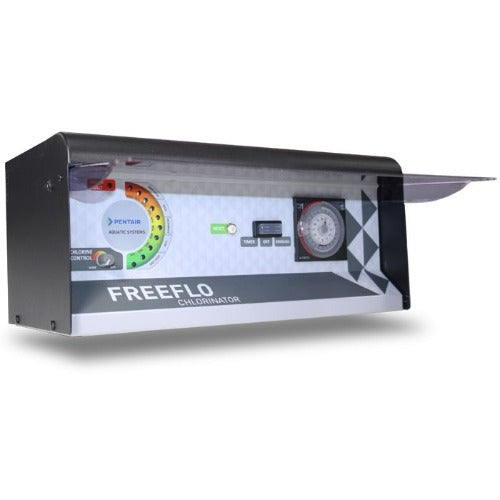
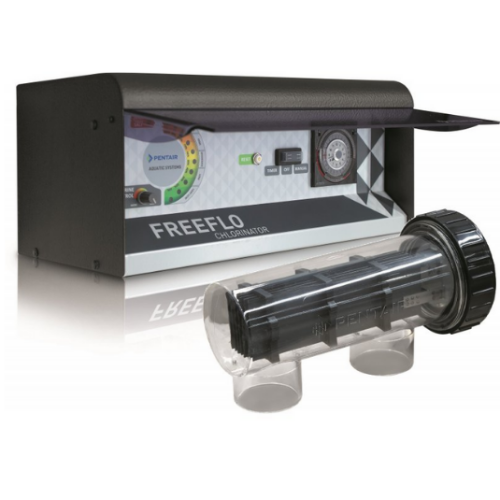
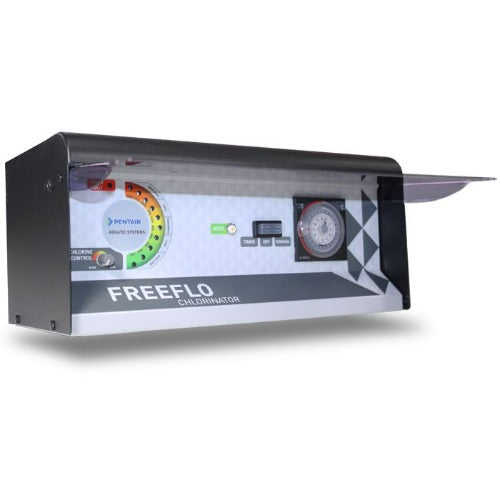
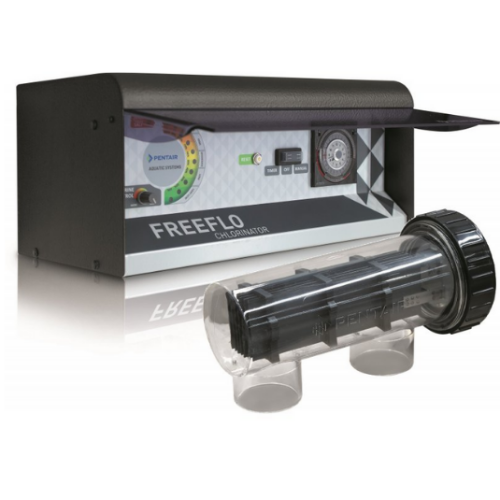
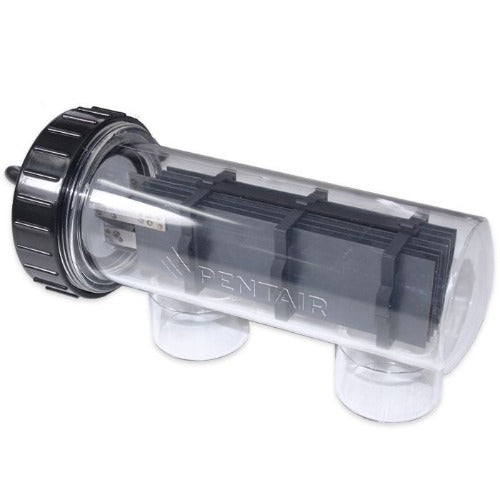
Pentair FreeFlo® Salt Water Chlorinator 35g/hr Quartz (Auto Reversing Cell with Timer)
Regular price $1,339.00Regular priceUnit price per$2,675.20Sale price $1,339.00Sale -
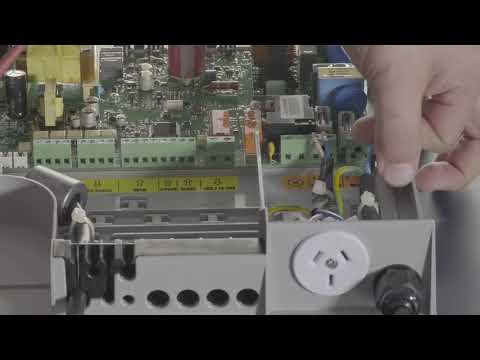
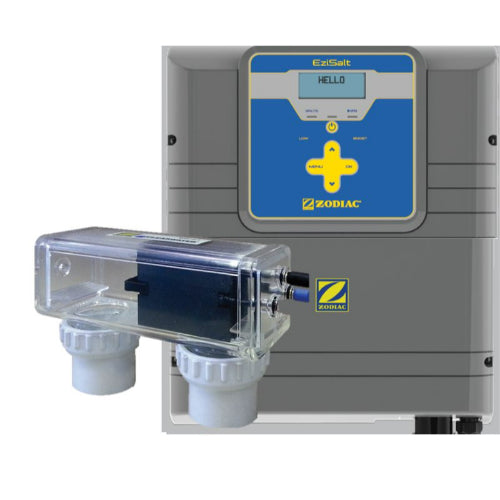
Zodiac EZI-24 SALTWATER POOL CHLORINATOR (Retrofits the older LM2 salt chlorinators, Also Ei2 and EL-1)
Regular price $1,587.92Regular priceUnit price per$2,152.06Sale price $1,587.92Sale -
Zodiac EZI-40 SALTWATER POOL CHLORINATOR (Retrofits the older LM2 salt chlorinators, Also Ei2 and EL-1)
Regular price $2,000.00Regular priceUnit price per$2,323.81Sale price $2,000.00Sale -
CHLORINE FEEDER - IN LINE
Regular price $389.00Regular priceUnit price per$501.70Sale price $389.00Sale

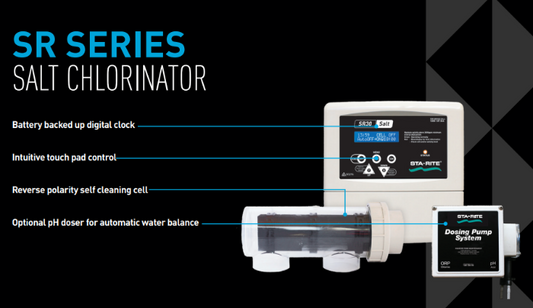
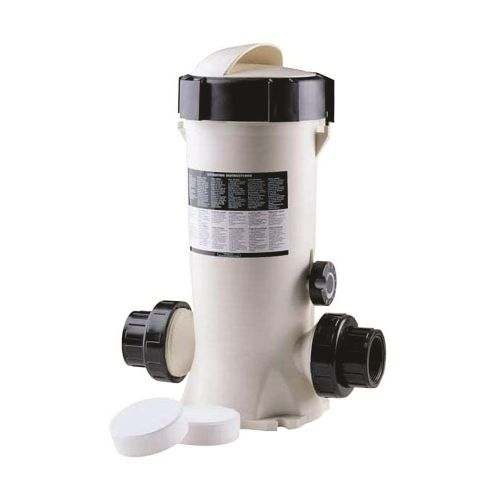
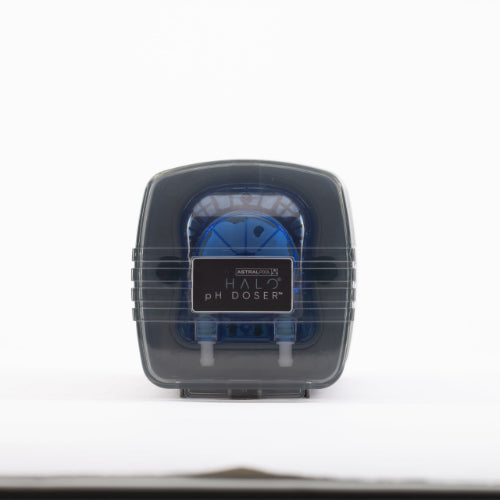



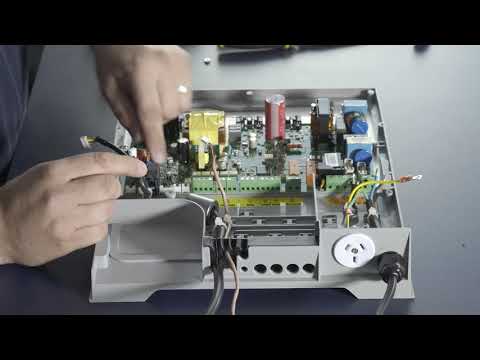
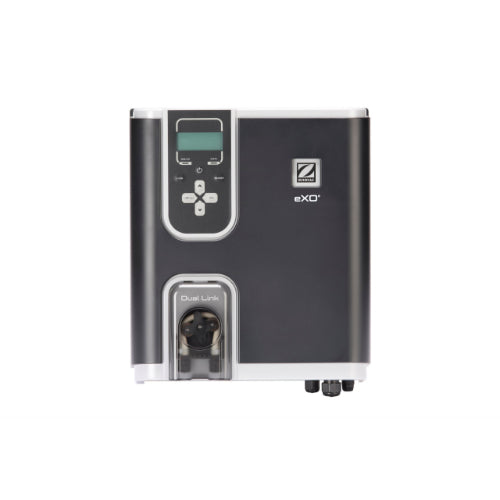
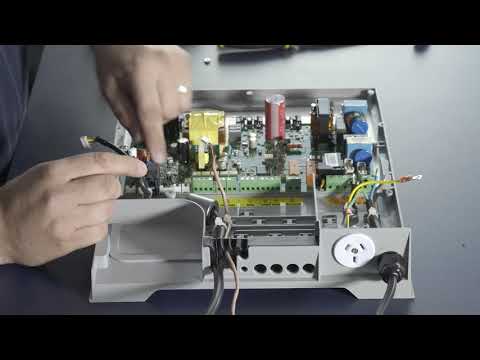
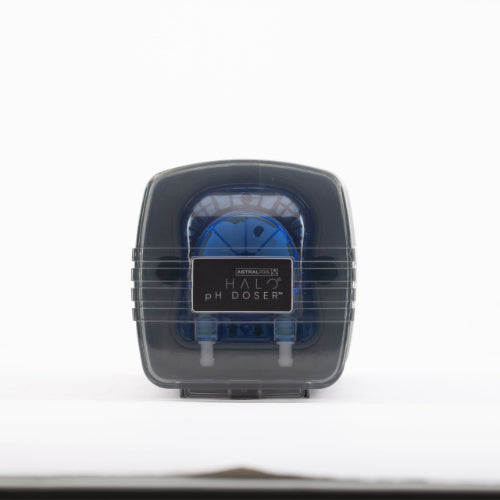

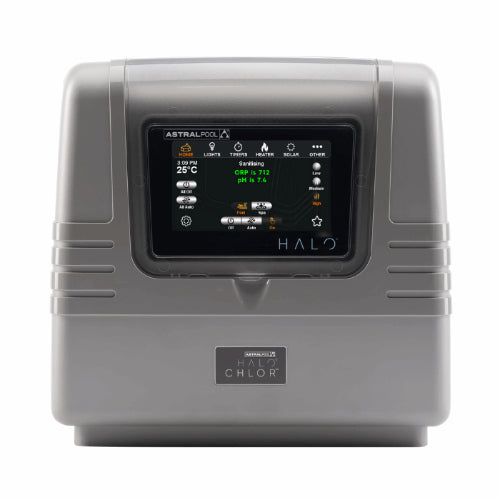
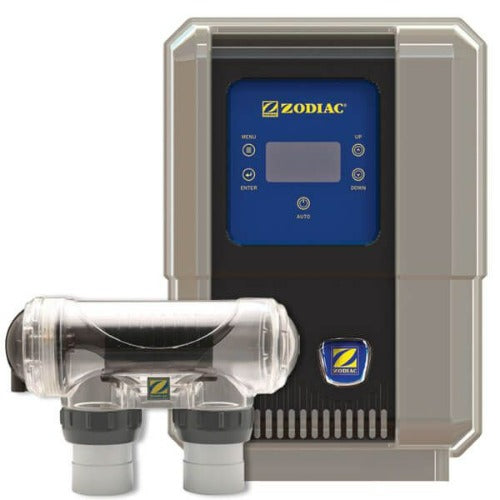
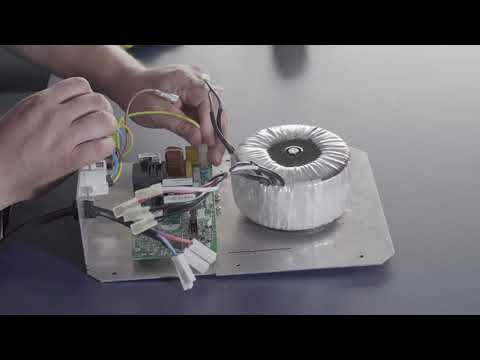
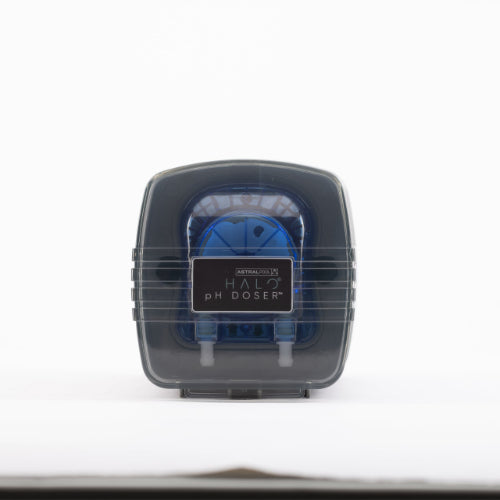
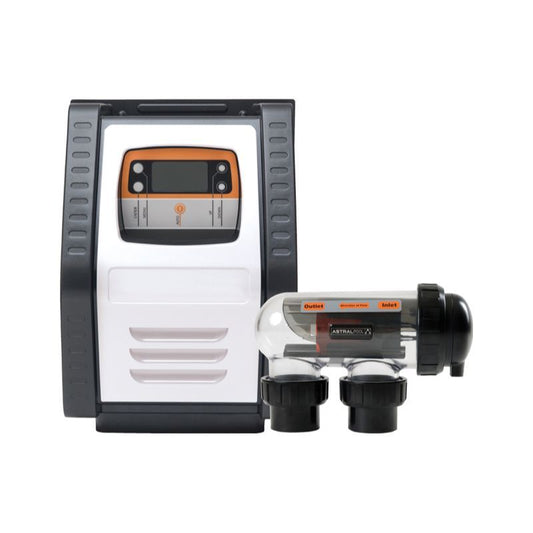
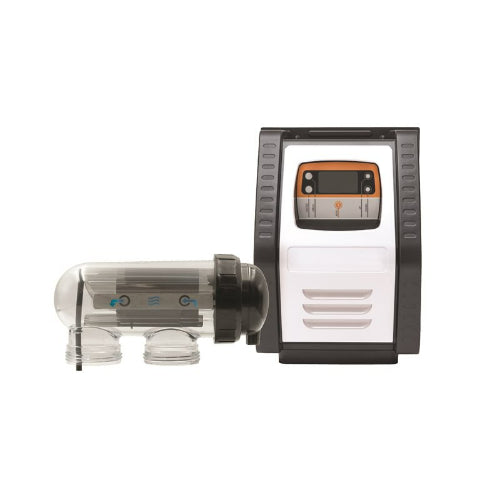
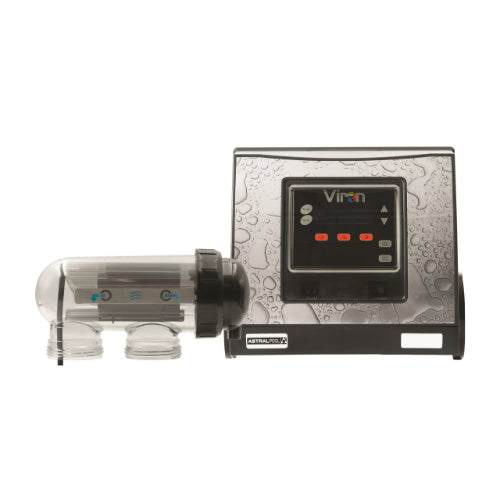
How does a chlorinator work?
A pool chlorinator automatically sanitises your swimming pool by producing or dispensing chlorine into the water as it circulates through your pool system. The chlorine works to eliminate bacteria, algae and other contaminants, helping to keep your pool water clean, clear and safe for swimming.
In a traditional chlorinator, chlorine is gradually released into the water as it passes through the chlorinator unit. This provides a consistent level of sanitisation without the need for frequent manual dosing.
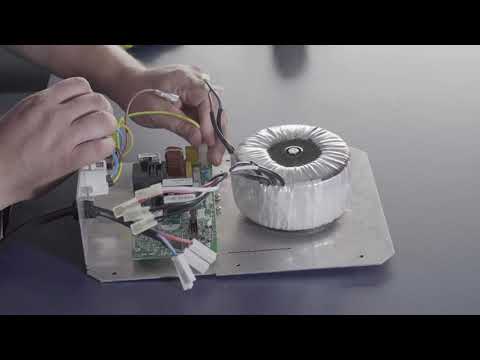
A saltwater chlorinator works slightly differently. It uses dissolved salt in the pool water and converts it into chlorine through a process called electrolysis. As the pool water passes through the chlorinator cell, a low-voltage electrical current generates chlorine, which sanitises the water before naturally converting back into salt and repeating the cycle.
Because a pool chlorinator continuously maintains chlorine levels, it helps reduce pool maintenance, improves water quality and creates a healthier swimming environment. This is why saltwater chlorinators have become one of the most popular pool sanitisation systems for Australian swimming pools.
What Are the Three Different Types of Pool Chlorinators?
Choosing the right chlorinator is essential for maintaining clean, healthy and crystal-clear pool water. While there are several sanitisation methods available, most swimming pools use one of three common types of chlorination systems. Understanding the differences can help you choose the best option for your pool and maintenance requirements.
1. Floating Chlorine Dispensers
Floating chlorine dispensers, sometimes called floating chlorinators, are one of the simplest and most affordable ways to sanitise a swimming pool. These devices hold chlorine tablets and float on the surface of the water, gradually releasing chlorine as the tablets dissolve.
While they are easy to use and require little installation, floating dispensers can sometimes provide uneven chlorine distribution throughout the pool. They are generally best suited to smaller pools or as a temporary chlorination solution.
2. Automatic Pool Chlorinators
Automatic pool chlorinators are installed directly into the pool's circulation system. As water passes through the filtration equipment, the chlorinator automatically dispenses chlorine into the returning water, helping maintain more consistent sanitiser levels.
These systems reduce the need for manual chlorine dosing and offer greater control over water quality. Automatic chlorinators are popular for pool owners seeking a more convenient and reliable sanitisation solution.
3. Saltwater Pool Chlorinators
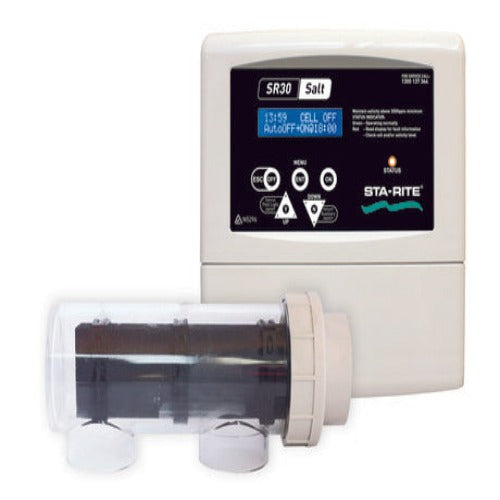
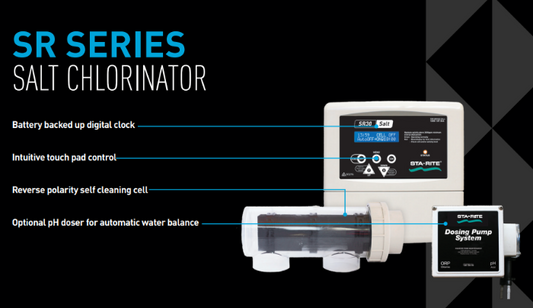
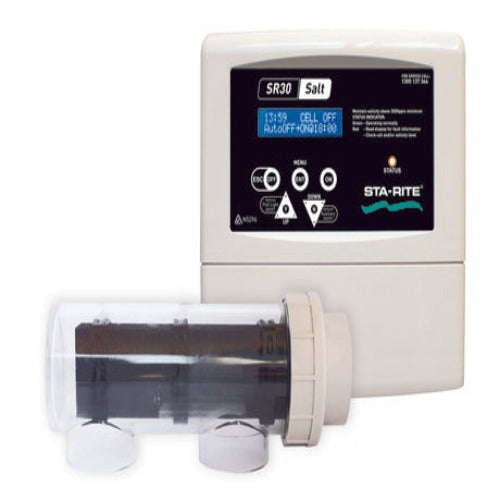
Saltwater chlorinators are the most popular choice for Australian swimming pools. Instead of requiring regular additions of chlorine, a salt chlorinator uses dissolved salt and a chlorinator cell to generate chlorine automatically.
As pool water flows through the cell, a low-voltage electrical current converts the salt into sanitising chlorine, helping keep the water clean and safe for swimming. Because the salt remains in the pool water and is continually reused, saltwater chlorination is both efficient and cost-effective.
Benefits of a saltwater chlorinator include lower maintenance, consistent chlorine production, improved swimmer comfort and softer-feeling water. For most residential swimming pools, a saltwater chlorinator is considered the most convenient and effective long-term sanitisation system.
At My Online Pool Shop, we specialise in saltwater chlorinators and replacement chlorinator cells from leading Australian pool equipment brands. Whether you're upgrading an existing system or installing a new chlorinator, we can help you find the right solution for your pool.
Why Buy Pool Chlorinators from My Online Pool Shop?
At My Online Pool Shop, we supply genuine pool chlorinators, replacement cells and pool equipment backed by expert advice and Australia-wide shipping. Our experienced team can help you select the right chlorinator for your pool size, equipment configuration and budget.
Whether you're replacing a chlorinator cell, upgrading your existing system or installing a new saltwater chlorinator, we're here to help you keep your pool sparkling clean all year round.
A pool chlorinator automatically produces chlorine from salt dissolved in your pool water, helping sanitise the pool and keep the water safe for swimming.
Most chlorinator cells last between 3 and 7 years depending on water chemistry, usage and maintenance.
Common signs include low chlorine production, warning messages, poor water quality and visible wear or scaling on the cell plates.
Yes. Many pool owners upgrade to a larger chlorinator to improve chlorine production and reduce operating strain on the system.
Salt requirements vary depending on the chlorinator model. Always refer to the manufacturer's recommended operating range.
-
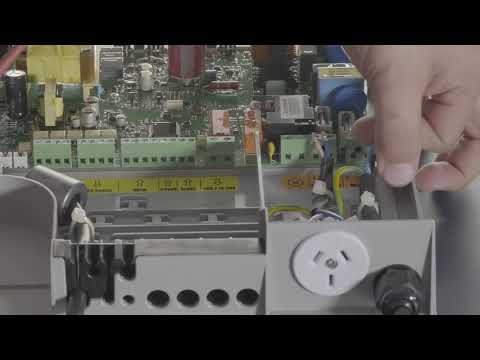
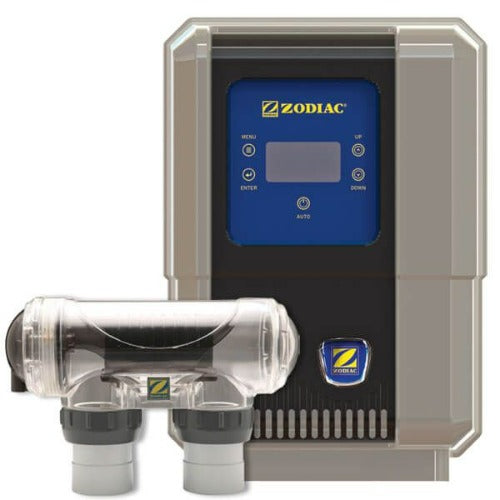
Zodiac EZI-24 SALTWATER POOL CHLORINATOR (Retrofits the older LM2 salt chlorinators, Also Ei2 and EL-1)
Regular price $1,587.92Regular priceUnit price per$2,152.06Sale price $1,587.92Sale -
Zodiac EZI-40 SALTWATER POOL CHLORINATOR (Retrofits the older LM2 salt chlorinators, Also Ei2 and EL-1)
Regular price $2,000.00Regular priceUnit price per$2,323.81Sale price $2,000.00Sale -
CHLORINE FEEDER - IN LINE
Regular price $389.00Regular priceUnit price per$501.70Sale price $389.00Sale